24/7 Emergency Line
Attic Specialists — +1-844-578-1604
ATTIC
Roof Deck Remediation — Baltimore, MD

Attic Mold Removal in Baltimore, MD —
Sheathing Assessed Panel-by-Panel, Source Identified

Attic mold in Baltimore, MD properties operates on seasonal moisture dynamics — winter condensation from warm interior air meeting cold sheathing is a different cause than summer solar heat driving moisture from humid outdoor air into a poorly ventilated attic. Diagnosing the seasonal pattern of condensation or infiltration changes which ventilation corrections will actually work. Our Baltimore attic specialists identify the seasonal pattern before recommending any correction.

Seasonal
Cause Identified
CFM
Fan Calculation
Panel
Sheathing Assessment
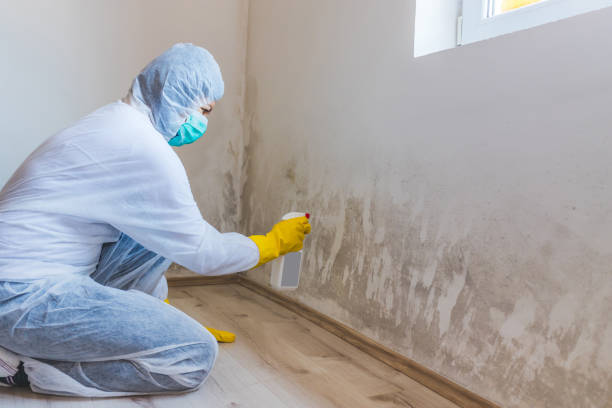
Licensed Attic Mold Removal service in Baltimore, MD - Cheap Mold Removal
📷Thermal Imaging Sweep
💨CFM Fan Measurement
🌳Borate Treatment
🔨Panel Assessment
$Post-Assessment Scope
01
Why Choose Us — Baltimore, MD

Four Standards Our Baltimore, MD Attic Crews Maintain

Sapstain vs. active mold, seasonal moisture pattern, fan CFM calculation, panel-by-panel structural assessment — these are the distinctions that produce appropriate scope.

Sapstain vs. Active Mold Distinction
MC% check at all darkened panels. Sapstain confirmed at low MC% — no active growth. Active mold at elevated MC% — treatment indicated. No unnecessary remediation costs for sapstain.
Seasonal Moisture Pattern Identification
Condensation-driven attic sheathing mold in cold-climate zones of Baltimore, MD occurs in winter — when warm interior air exits through ceiling gaps and condenses on cold sheathing. In humid-climate zones of Baltimore, MD, summer conditions can reverse this — moisture-laden outdoor air entering vents can condense on cooler sheathing surfaces. The seasonal pattern determines whether the primary correction is air sealing (for winter condensation) or ventilation enhancement (for summer infiltration).
CFM Calculation for Exhaust Fan Sizing
Actual CFM measured, not assumed from nameplate. Required CFM calculated for bathroom square footage. Replacement fan sized and duct configured to deliver required CFM at the exterior, not just at the fan discharge.
Panel-by-Panel Sheathing Structural Assessment
Individual panel assessment: MC%, surface mold extent, delamination check, rigidity test. Replacement specified by panel location — only where structural assessment warrants it.
02
Service Solutions — Baltimore, MD

Complete Attic Mold Removal Services for Baltimore, MD Attics

From panel-by-panel sheathing assessment through fan rerouting, ventilation NFA correction, and post-clearance verification — the full attic mold scope for Baltimore, MD properties.

Assessment
🔍
Panel Assessment & Sapstain Distinction
MC% readings on every darkened panel, visual assessment of growth pattern (active growth has texture and may have a white/grey hyphal fringe; sapstain is flat, uniform blue-black), and targeted surface sampling for lab confirmation where distinction is uncertain. All findings documented — each panel assessed individually.
Panel-by-Panel
MC% Measured
Lab Confirmation
Exhaust Fans
💨
Exhaust Fan Audit & Rerouting
Physical tracing of every exhaust fan termination in the attic — bathroom fans, kitchen fans, dryer vents — from fan housing to termination point. CFM measurement at the fan discharge. Calculation of required CFM for the source bathroom or kitchen square footage. Rerouting specs for improperly terminated fans: insulated flex duct to exterior cap, properly sized cap for required CFM, sealed at fan housing and cap.
Fan Traced
CFM Measured
Rerouting Spec'd
Ventilation
💨
NFA Calculation & Soffit Vent Correction
Soffit obstruction from blown-in insulation at eave bays identified and baffled. NFA calculated, specific vent additions specified where deficit exists.
NFA Calculated
Eave Bay Baffled
Vent Additions Spec'd
HEPA Treatment
🔨
HEPA Removal & Borate Application
Wire brush, HEPA vacuum, penetrating borate on all accessible surfaces. Encapsulant on high-MC% history panels optionally.
Wire Brush
HEPA Vacuum
Penetrating Borate
Replacement
🔨
Sheathing Panel Replacement
Panels with confirmed structural delamination or through-penetration by decay fungi flagged for replacement. Replacement scope includes roofing material removal above affected panels, sheathing replacement with properly specified panel, and roofing reinstallation. Coordinated with roofing contractor for scheduling.
Structural Confirmed
Roofing Coordinated
Panel Specified
Clearance
✅
Post-Remediation Clearance & MC% Verification
Post-work MC% on all panels. Air sampling — attic and below. Written report with pre/post data by panel.
Panel MC% Re-Check
Attic + Below Sampling
Pre/Post Data
Professional Attic Mold Removal technician working in Baltimore, MD
03
Process — Baltimore, MD

Above-Ceiling, Measured, Step by Step — Baltimore Properties

1
Step 01
Call & Schedule Attic Assessment
Same-day or next-day scheduling. Access type and roof history discussed before arrival.
2
Step 02
Panel Assessment & Fan Audit
MC% on every darkened panel. Sapstain vs. active mold distinguished. Every exhaust fan traced. NFA calculated. Written flat-rate scope after assessment — scope reflects what we found, not what we assumed.
3
Step 03
HEPA, Borate, Fan Rerouting, Vent Correction
Full scope — HEPA, borate, fan rerouting, vent corrections — typically one visit for standard residential attics.
4
Step 04
MC% Verification & Post-Clearance
MC% re-check on all previously elevated panels. Independent air sampling — attic and living space below. Written clearance with pre/post panel MC% data.
24/7 Emergency Attic Mold Removal experts in Baltimore, MD
04
Client Reviews — Baltimore, MD

What Baltimore Homeowners Say About Cheap Mold Removal

★★★★★
Attic mold found during a home inspection for our Baltimore, MD property sale. Cheap Mold Removal's assessment found the cause immediately — a dryer vent terminating inside the attic, dumping 35°F moisture-saturated air onto the sheathing above the laundry room on every dryer cycle. They rerouted the dryer vent to a properly sized exterior cap, treated the affected sheathing, and we had post-clearance documentation before buyer's final walkthrough.
Patrick A.
Baltimore homeowner
★★★★★
Post-clearance verification after a prior contractor's attic mold treatment. Cheap Mold Removal's post-clearance air sampling found elevated counts still present — the prior contractor had treated visible growth but hadn't addressed the improperly terminated bathroom fan that was the ongoing moisture source. That independent clearance report gave us the documentation to require the first contractor to complete the fan rerouting as part of their scope.
Sandra K.
Baltimore homeowner
★★★★★
Commercial building attic remediation — significant sheathing mold from an HVAC rooftop unit condensate drain that had been discharging onto the roof deck instead of to the drain line. Cheap Mold Removal assessed the sheathing panel-by-panel, replaced 14 panels with confirmed structural delamination, treated all remaining panels with borate, coordinated with our HVAC contractor for the condensate correction, and produced clearance documentation before our roofing warranty inspection.
Nancy P.
Baltimore commercial property manager
05
FAQ — Attic Mold Removal in Baltimore, MD

What Baltimore Homeowners Ask About Roof Deck Mold

In cold-climate zones of Baltimore, MD, the primary cause is winter condensation: warm interior air rises and exits through ceiling gaps into the attic, where it contacts cold sheathing and condenses, elevating sheathing MC% over the winter months. The correction is ceiling air sealing plus adequate ridge vent to exhaust the condensing air before it deposits on sheathing. In humid-climate zones, summer moisture infiltration from high-humidity outdoor air entering poorly ventilated attics is the driver. The correction there is ventilation enhancement plus vapor control at the attic floor. Exhaust fans terminating inside the attic add a concentrated high-moisture point to either scenario. Knowing the primary cause determines which corrections will actually prevent recurrence.
Sapstain from lumber mill organisms (typically Ophiostoma species) appears as uniform blue-black or grey-black staining flat on the wood surface — it's actually in the wood fiber from the milling and drying process, present before the panel was installed. It doesn't have visible surface texture, white or grey hyphal fringe, or fuzzy growth patterns. Active mold colonies have surface texture, may have white or grey sporulating fringe, and are associated with elevated MC% in the panel. We confirm by measuring MC% at sapstained panels — consistently low MC% (below 14%) in a dry attic confirms non-active status; elevated MC% indicates active growth associated with current moisture conditions. Lab surface sampling can confirm when visual and moisture data don't give a clear answer.
Most attic sheathing with surface mold colonization — panels with MC% within the treatable range (elevated but below the threshold where structural decay is occurring), without physical delamination or loss of rigidity — can be treated in place with HEPA removal of loose spore material and penetrating borate application. This is the appropriate protocol for surface colonization on structurally sound panels. Replacement is required for panels with physical structural delamination (OSB losing layer cohesion) or through-penetration of decay fungi (the structural panel is softening or punky). We assess each panel individually — replacement is specified by panel location, not assumed for all darkened panels.
An exhaust fan terminates inside the attic when the installer ran the flex duct from the fan housing but didn't connect it to an exterior penetration — leaving the duct end loose inside the attic, or connecting to a gap between sheathing panels. Every time the fan runs, it deposits the full moisture load from bathroom steam directly onto the attic framing and sheathing above the bathroom. For a bathroom with a 50 CFM fan running 20 minutes per shower, that's a significant daily moisture addition directly onto cold attic framing. Proper exterior termination requires insulated flex duct (to prevent condensation inside the duct), properly connected at both the fan housing and a correctly-sized exterior wall, soffit, or roof cap.
Treatment products applied to structural wood only — sheathing and rafters. Not applied to roofing materials. SDS sheets available for manufacturer warranty review. Sheathing replacement panels requiring roofing material removal coordinated with your roofing contractor.

Attic Mold Specialists Across MD

Panel-assessed attic mold remediation throughout Baltimore, MD — seasonal cause identification, sapstain distinction, fan rerouting, NFA correction, and post-clearance verification. Baltimore and the broader MD area covered.

Zip codes: 21218 21211 21210 21213 21212 21215 21214 21217 21216 21233 21231 21230 21239 21251 21209 21202 21206 21207 21205 21287 21201 21223 21224 21225 21226 21229 21203 21263 21264 21270 21273 21275 21278 21279 21281 21290 21297 21298 21250

Call +1-844-578-1604 — Free Estimate

Attic Mold Removal in Baltimore — Cause Identified, Source Corrected

Panel-assessed, cause-identified, fan rerouting and vent correction included. Post-clearance verified. Available in Baltimore, MD.

📞 Call +1-844-578-1604 Now

Our Services in Baltimore, MD

🟢 Techs On Duty in Baltimore, MD Call +1-844-578-1604